


Kalamata explores its industrial heritage: Impressive public turnout for the newcultural route organized by the “Routes of the Olive Tree” Cultural Organization
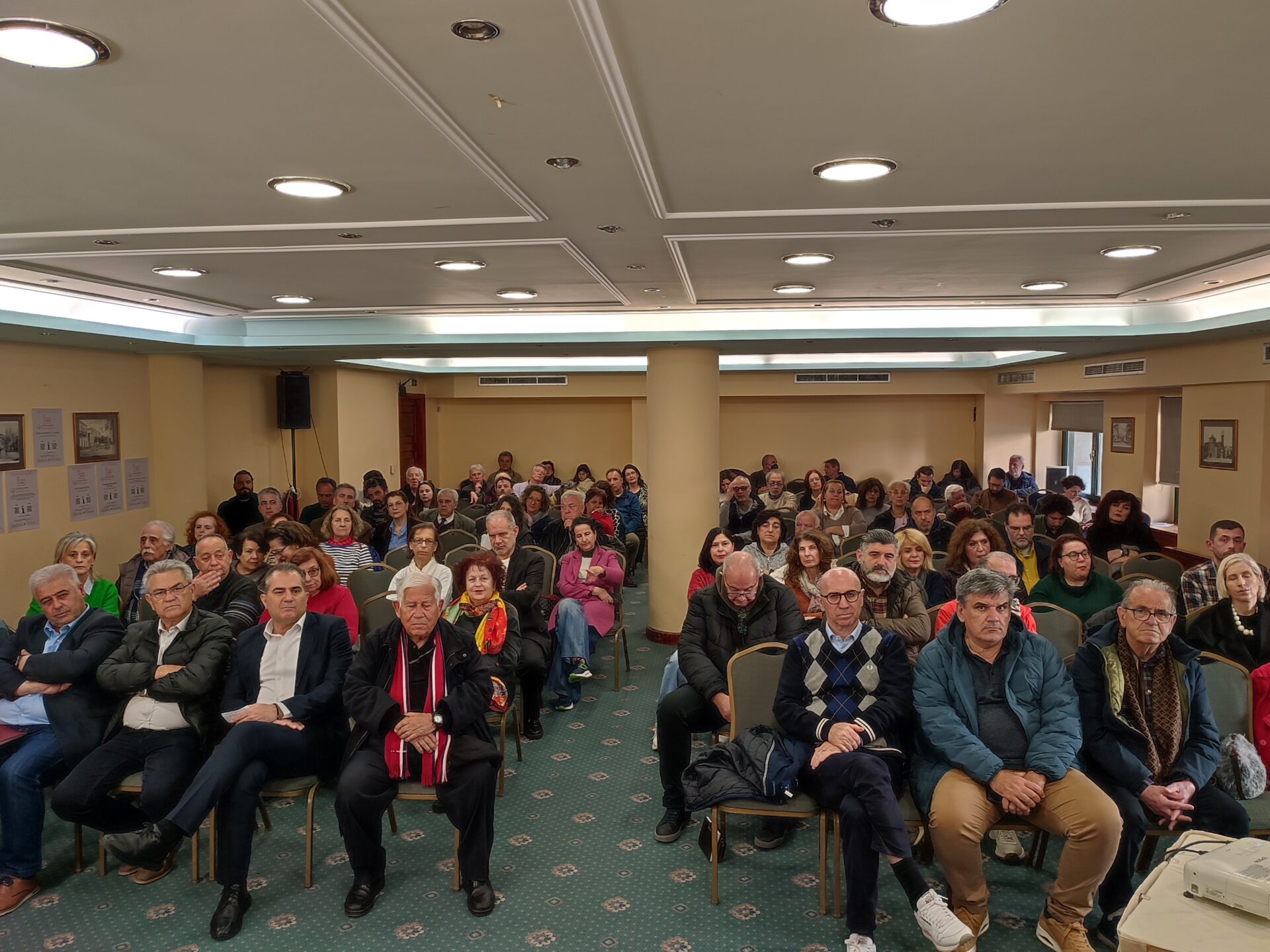
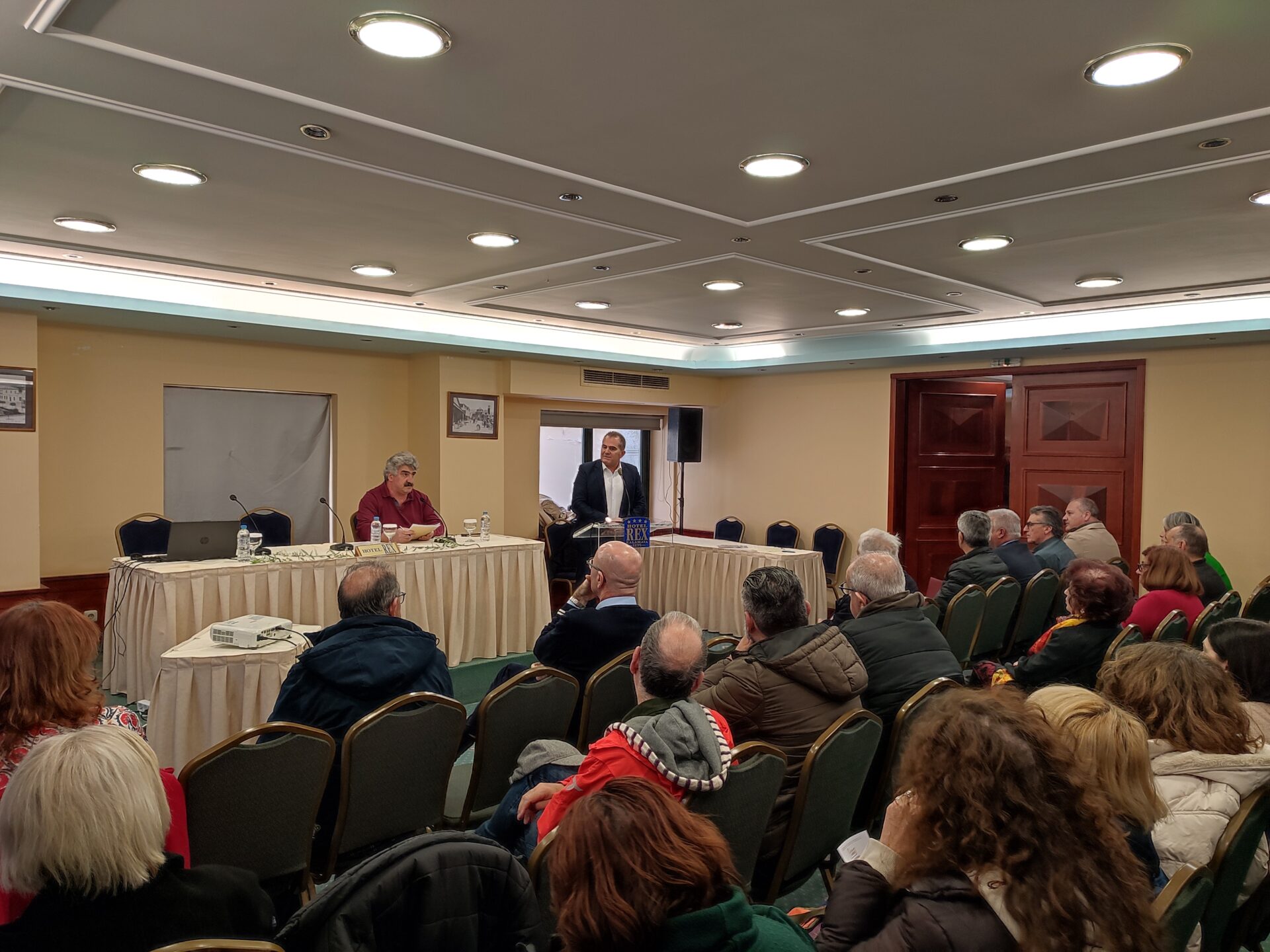
The evening event titled “Exploring the Industrial Cultural Heritage of My Region” took place on Monday, March 30, 2026, with a particularly large turnout and keen interest.
The event, co-organized by the Cultural Organization “Routes of the Olive Tree” and the Kalamata Center for Environmental Education and Sustainability, drew a large crowd of citizens, representatives of organizations, educators, and professionals, confirming that Kalamata’s industrial identity is a living asset with strong prospects.
Greetings were delivered by the Mayor of Kalamata, Mr. A. Vasilopoulos, along with representatives of local government and institutions, emphasizing the importance of linking education, entrepreneurship, and cultural heritage. Particular emphasis was placed on the business community’s contribution to shaping the city’s historical identity.
The cultural route as a tool for development
The first session of the event presented the concept of the cultural route as a modern tool for cultural management and sustainable development. As noted, cultural routes are not merely a list of points of interest, but a comprehensive “narrative of place” that connects the past with the present and creates experiences for the visitor.
At the same time, it became clear that cultural heritage—both tangible and intangible—is not only a source of memory but also a driver of economic and social development, strengthening local identity and creating new opportunities for tourism and education.
The Industrial History of Kalamata as a “living museum”
Of particular interest was the approach to industrial heritage as an “alternative narrative” of history, which brings to the forefront daily life, work, and the evolution of the local economy.
The cultural route presented includes 23 marked points throughout the city—even including industries that no longer exist—transforming Kalamata into an “open-air museum.” Through special signage and digital tools, visitors can “see” the past in the very places where it unfolded and understand its significance.
This approach strengthens collective memory, engages the local community, and opens up new possibilities for leveraging cultural heritage.
Digital tools and experiential learning
In the second part of the event, the digital map of the route was presented, along with the use of modern tools that enable an interactive exploration of the city’s history.
A highlight of the event was the interactive “digital treasure hunt,” in which participants toured various locations around the city using mobile devices and QR codes. The activity highlighted the potential of combining culture and technology, particularly for the younger generation.
A new model for the city and local communities
Participants agreed that the organized promotion of industrial cultural heritage can serve as a comprehensive tool for local development.
Information
The digital map of the route is available at the link: https://olivetreeroute.gr/maps/map-gr.html