


Giorgos Karabatos: “Development Cannot Exist Without People, Identity and a Connection to Place”
21 August 2026 – Interview by Iro Riga
The article was published in the newspaper “Proini”.

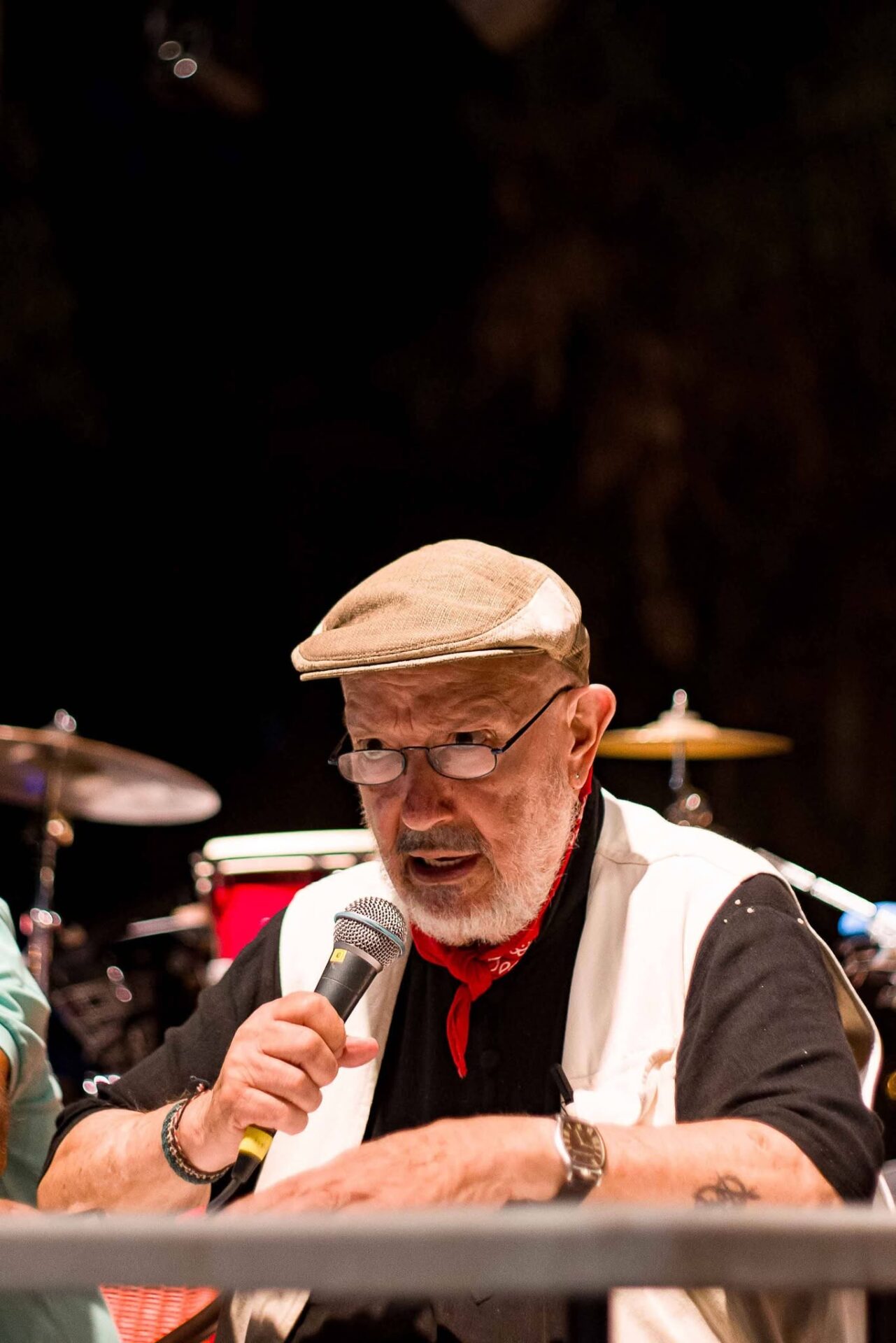
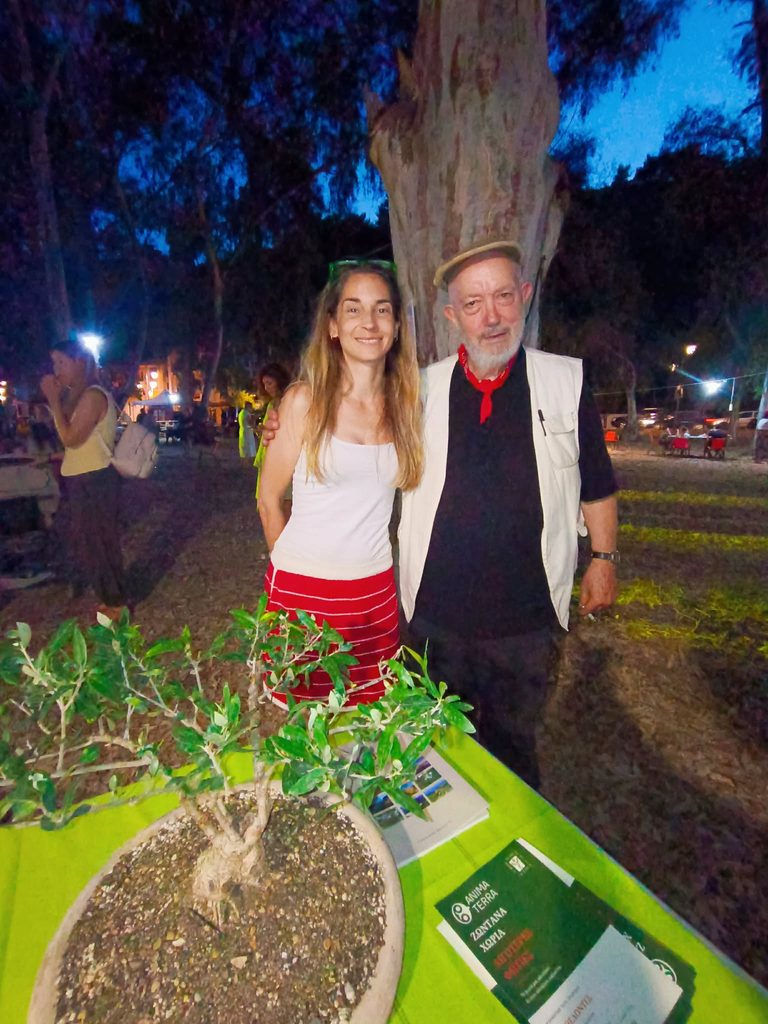
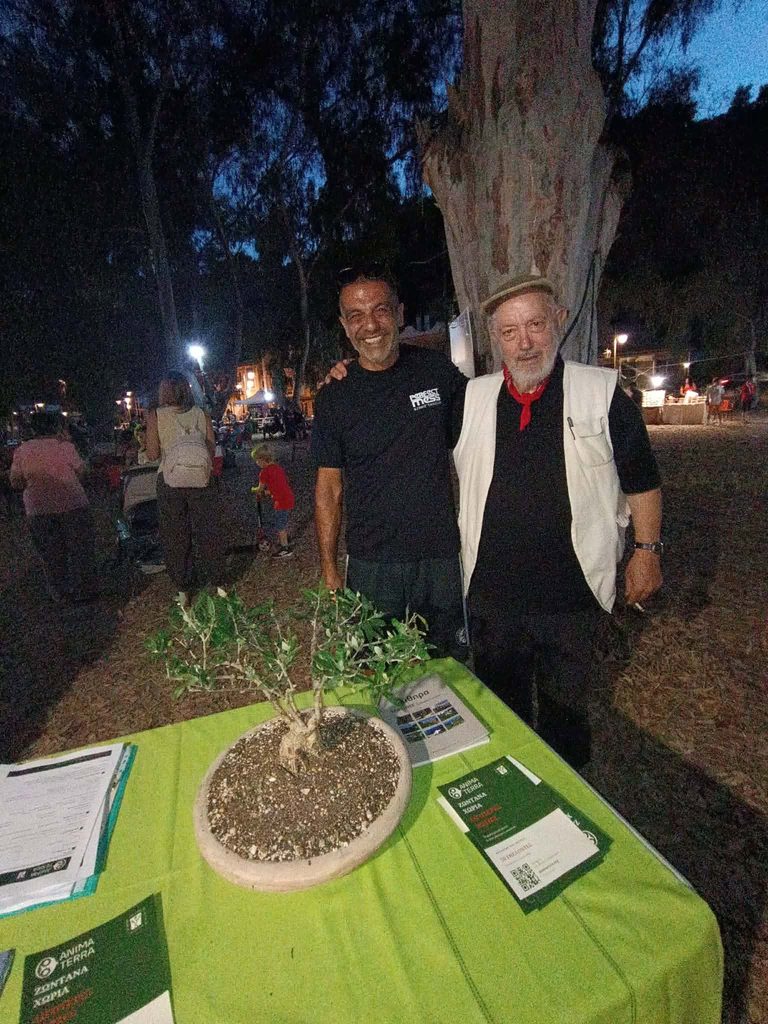
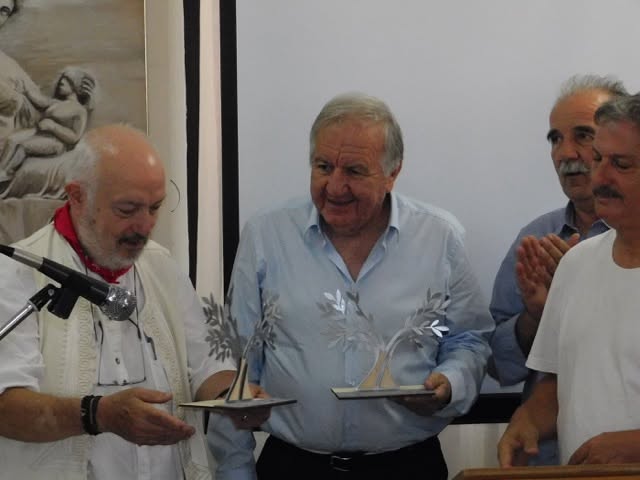
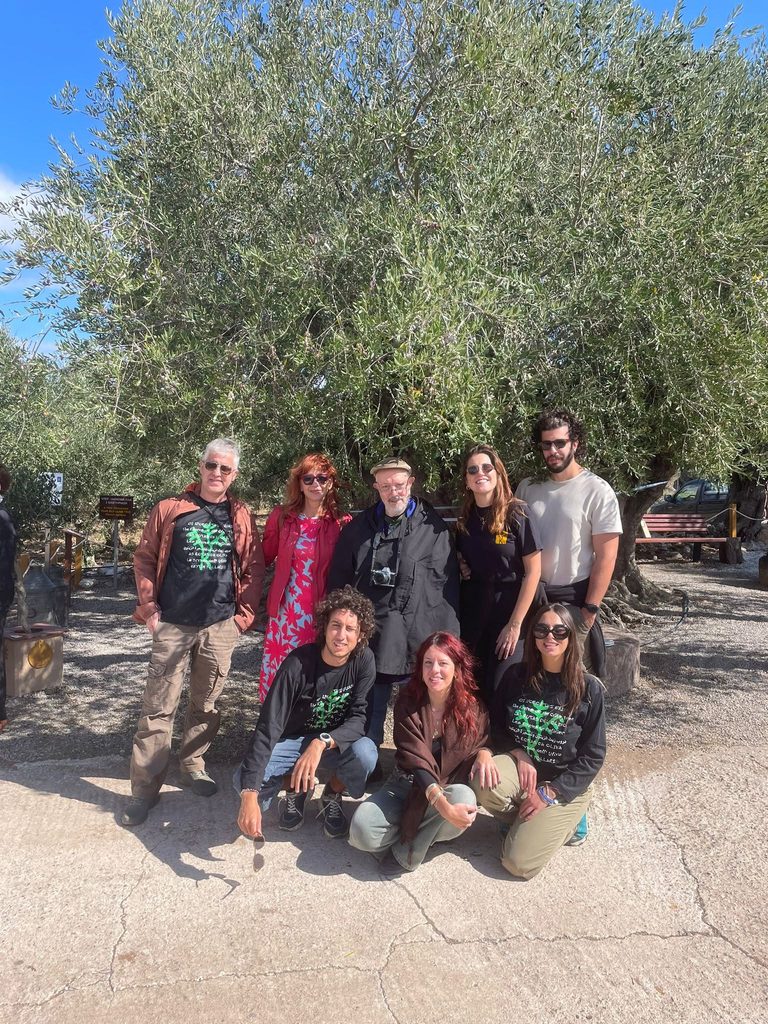
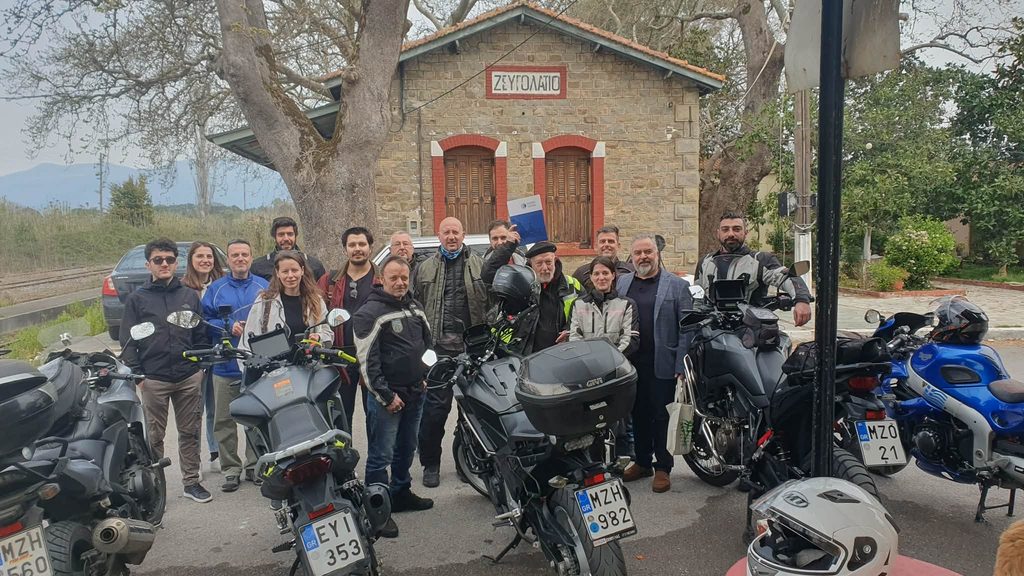
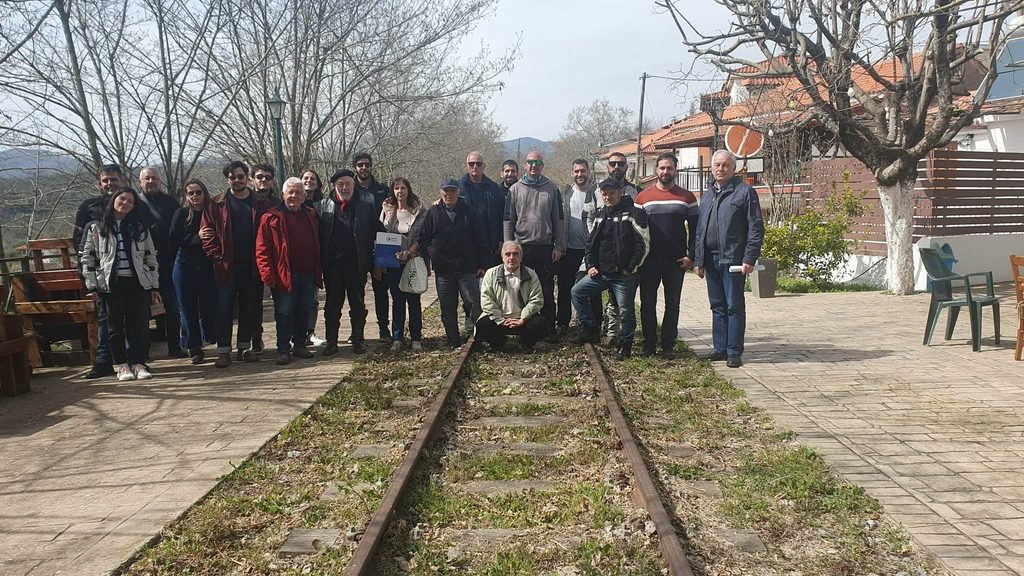
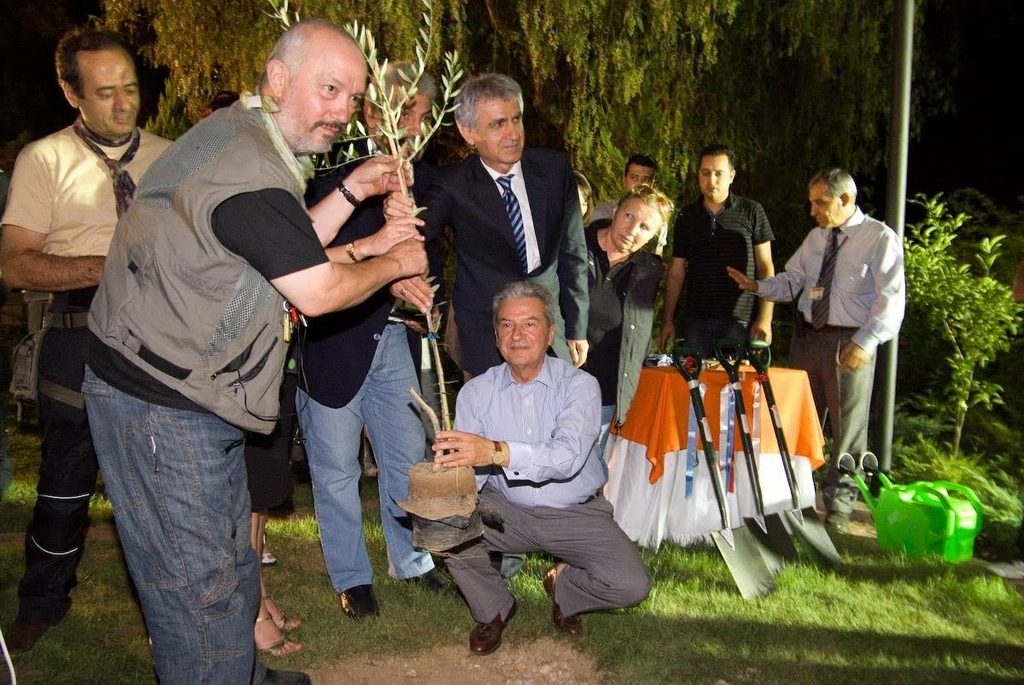
From Messinia to the Mediterranean, and from the “diplomacy of the olive tree” to the revitalisation of villages and the vision of bringing the Peloponnese railway back into operation, Giorgos Karabatos sees culture not as a static inheritance, but as a force capable of building bridges, supporting the economy and keeping rural areas alive.
Executive Director of the Cultural Organisation “The Routes of the Olive Tree” and former President of the Messinia Chamber of Commerce, Giorgos Karabatos has for decades been at the heart of an initiative that began in Messinia and went on to acquire an international cultural dimension.
“The Routes of the Olive Tree” were recognised by UNESCO in 2003 as a World Cultural Route for Intercultural Dialogue, Peace and Sustainable Development, while in 2005 they were included among the Cultural Routes of the Council of Europe.
A route that began with the olive tree as a symbol of culture and peace gradually evolved into a broader vision centred on people and place: from Greek-Turkish rapprochement and the Olive Groves of Peace to ANIMA TERRA, vibrant villages and the effort to restore the Peloponnese railway to its role as a cultural and development axis.
In his interview with Iro Riga and Proini, Giorgos Karabatos speaks about the value of cultural heritage, “citizens’ diplomacy”, the relationship between producers and the wider cultural narrative of the olive tree, the need to keep the Greek countryside alive and, ultimately, a vision that connects the olive tree, people, villages and the railway.
He insists on one simple but profound idea: development cannot exist without people, identity and a connection to place.
From the Olive Tree as a Product to the Olive Tree as Culture
“The Routes of the Olive Tree” proved that a local product can evolve into an international cultural bridge. How was this idea born, and what made you believe it could acquire a European dimension?
The idea was born from a profound realisation: the olive tree is not simply a product, but the expression of a six-thousand-year-old culture that unites the peoples of the Mediterranean. Starting in Messinia, we saw that the olive branch, a symbol of peace and coexistence, speaks the same language in every olive-producing country.
I believed in the European dimension of the initiative because it does not merely promote a product; it tells a story of values. The recognition of “The Routes of the Olive Tree” by UNESCO and the Council of Europe confirmed that a local product can become a bridge for intercultural dialogue.
You travel constantly across Mediterranean and European countries. How differently is cultural heritage approached there, and what could Greece learn from those experiences?
In many countries, heritage is treated as a living resource, connected to the local economy, the younger generation and networks of institutions and organisations. Greece possesses incomparable wealth, yet what we often lack is continuity, cooperation and the understanding that heritage is also a tool for development.
The greatest lesson is the culture of collaboration. When municipalities, producers, chambers of commerce, cultural organisations and civil society groups work towards a common goal, the outcome is both cultural and economic.
The olive tree is inseparably linked to the producer. Do you believe that people cultivating the land today feel that they are part of this great cultural narrative, or are they still trapped mainly in the difficulties of everyday life?
I would be dishonest if I said that everyone feels that connection. Many producers remain trapped in very real everyday difficulties: prices, costs and the climate crisis. Yet when they realise that the tree they cultivate and the work they do form part of a story stretching back thousands of years, a sense of pride returns.
That is our role: to give meaning and added value to their work, so that the person who works the land feels like a protagonist rather than merely a supplier.
Passing the Baton Between Generations and Keeping the Regions Alive
Which encounter or story involving a small olive grower has stayed with you the most over all these years?
I remember an elderly olive grower who showed me a newly planted grove beside a centuries-old one. He had planted the new trees for his grandchildren, just as his own grandfather had planted the older ones. Two olive groves side by side, with entire generations in between.
That image encapsulates the philosophy of “The Routes of the Olive Tree”: patience, continuity and respect for time. That man was not simply planting trees; he was passing on a baton. That is what we are trying to do as well: to make sure the chain is never broken.
Your activities bring together culture, the environment, tourism and entrepreneurship. Do you believe this is the development model the Greek regions need today?
Absolutely. The regions should not compete in terms of scale, but in authenticity, identity and quality. Connecting culture, the environment, tourism and entrepreneurship creates jobs, keeps young people in their communities and protects the landscape.
This is not nostalgia. It is a modern and sustainable strategy that places people and place at its centre.
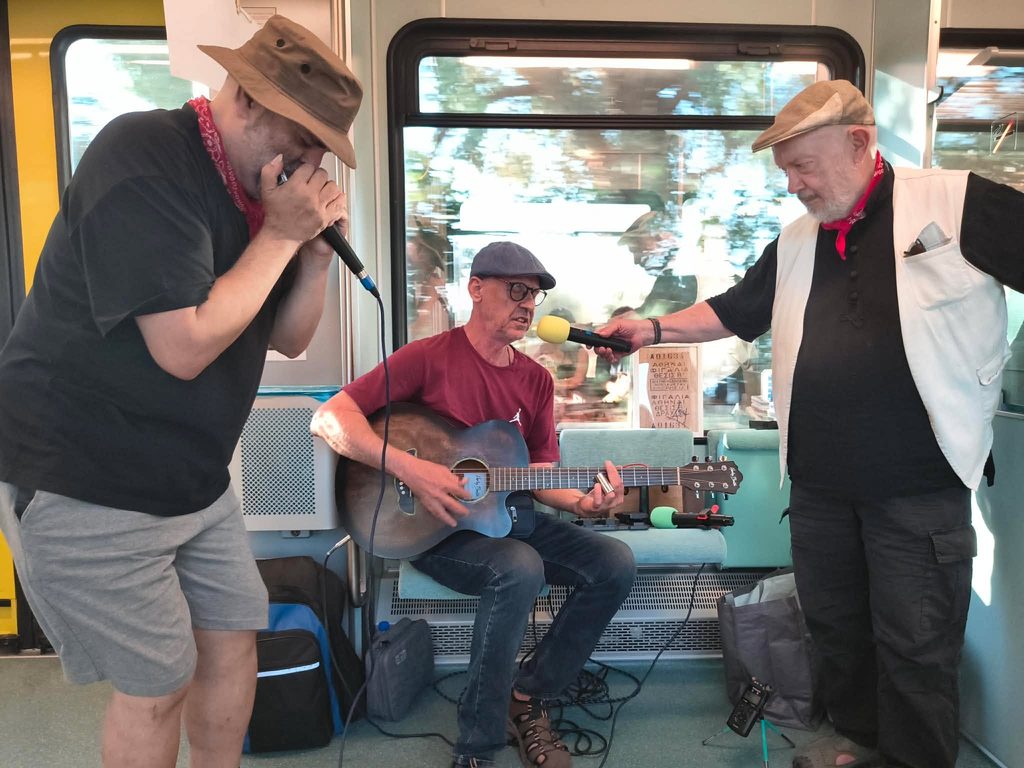
With the Crystal Orchestra during the activity held inside the train as part of the 13th Port Festival.
Aenaon Social Cooperative Enterprise dedicated the 4th Wine & Flavours Festival of Ilia and the 13th Port Festival, in which you participated, to the Peloponnese railway. Can the historic railway become part of a modern cultural route?
Without a doubt. The Peloponnese railway is cultural heritage, but at the same time it can serve as a backbone for sustainable mobility. It can connect monuments, landscapes, products and communities, while offering the experience of “slow travel” that modern visitors increasingly seek.
Just as the olive tree carries a story, the train carries stories too. That is why I wholeheartedly support the Port Festival’s focus on this theme and the Rail Talks.
If you had the opportunity to realise one more dream through “The Routes of the Olive Tree”, what would it be?
My dream is to hear the train whistle again. To see village squares filled with children, older people sitting in cafés playing backgammon or cards, and women calling them home because the food that has just come out of the wood-fired oven is getting cold.
In that simple, living image, the train, the village, culture and everyday life all come together again. Through our cooperation with the Friends of the Railway and all the organisations that share the goal of bringing the Peloponnese railway back into operation, if we succeed, “The Routes of the Olive Tree” will have fulfilled their deeper purpose.
“Citizens’ Diplomacy” and the Olive Tree as a Symbol of Peace
In the text on “soft diplomacy”, reference is made to the alliance between the Chambers of Commerce of Messinia and Izmir and the joint “Manifesto” with Ekrem Demirtas. Why did you see the olive tree as a tool for peace and not merely as a product?
We started from the belief that people’s security is not ensured through displays of power, but through the free movement of people, goods and ideas. During my time as President of the Messinia Chamber of Commerce, Ekrem Demirtas and I realised that strong ties between local communities and the business world can weaken the rhetoric of conflict.
We chose the olive tree because it is one of the oldest symbols of truce and has nourished both peoples for centuries. We did not sign a dry commercial agreement; we co-created a vision of the Mediterranean as a sea of peace. Because when official diplomacy becomes stagnant, civil society can — and must — show the way.
Recently, Rahmi Koç honoured Nikos Vernikos on the Bosphorus, in yet another moment of Greek-Turkish rapprochement through business. Is “citizens’ diplomacy” still necessary?
More than ever. The honorary event presented by Kathimerini on 12 July 2026 was built on deep foundations of economic and cultural diplomacy. What Messinia and Izmir attempted twenty years ago continues today through different people and different occasions.
The bridges of economy and culture endure longer than temporary tensions. “The Routes of the Olive Tree” remain an anti-war symbol.
The motto of “The Routes of the Olive Tree” is that “the best packaging for a product is its culture”. What does this phrase mean in practical terms for a producer or a local community?
It means that we are not simply selling olive oil; we are telling the story of a six-thousand-year-old culture. When the history, landscape, memory and identity behind each bottle are brought to the forefront, the product gains a value that no advertising trick can buy.
Culture is the most durable “packaging” of all: it does not wear out and cannot be copied. An authentic narrative allows a local product to stand out in a market dominated by anonymous, low-cost goods.
Two of your most emblematic initiatives are the Olive Groves of Peace — one at the entrance to the Palace of Nestor in the Municipality of Pylos-Nestor and another in the Municipality of Selva in Mallorca. What do they symbolise?
The Olive Grove of Peace is not simply a planting initiative, but an act designed to endure. At the entrance to the Palace of Nestor, it connects the distant past with a message for the future: continuity, wisdom and peace.
The Olive Grove in Selva, Mallorca, shows that this message can travel throughout the Mediterranean. It is a living monument for future generations.
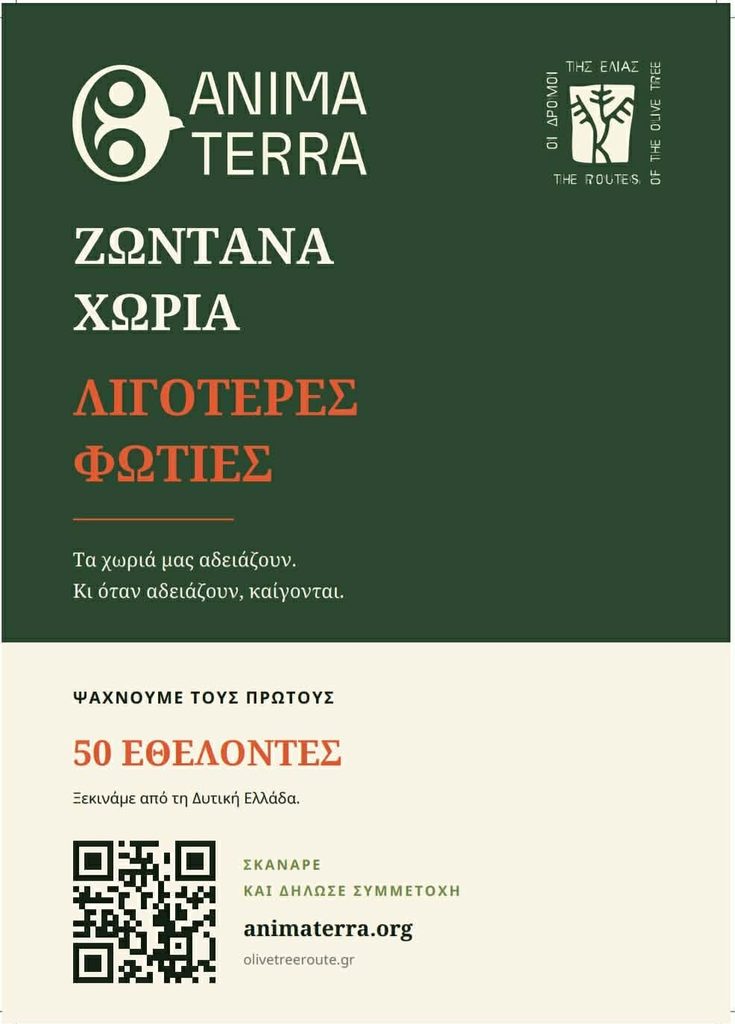
ANIMA TERRA: Vibrant Villages, Fewer Fires
ANIMA TERRA, with the slogan “vibrant villages – fewer fires”, is not funded by European or national resources. Why did you choose this path?
Since December 2022, we have chosen not to rely on European or national funding in order to ensure continuity. The chamber community participates in selecting the villages, implementing the initiative and covering operating costs. Together with local residents, we are building a long-term tool rather than a short-lived project.
The message is simple: vibrant villages, fewer fires. A vibrant village means farmers, a school, entrepreneurship, traditional professions, tourism, gastronomy, young people and a village square full of life.
How does an initiative such as ANIMA TERRA connect with the major challenge of the climate crisis and the wildfires that affect rural areas every year?
The depopulation of rural areas and wildfires are two sides of the same problem. Without people to care for, clear and monitor the land, the landscape becomes flammable, both literally and metaphorically.
Our approach is preventive. Instead of investing only in firefighting, we seek to keep people in their communities through economic activity, purpose and prospects. A living village is the strongest shield against fire.
Why do you consider the reopening of the Peloponnese railway network so important?
Because the railway is both heritage and future. Its reopening can connect monuments, landscapes, products and communities, while supporting sustainable mobility and tourism.
This is where it meets the vision of ANIMA TERRA. The railway can be a lifeline for rural communities and offer new prospects to the entire inland region, particularly the Peloponnese.
It is not merely a transport issue, but also a developmental, cultural and environmental one. It is important that the Port Festival and the Rail Talks are bringing this issue to the forefront.
One Common Thread: People, Place and the Future
From olive-tree diplomacy and the Olive Groves of Peace to ANIMA TERRA and the railway, what common thread runs through all these initiatives?
The belief that culture is not decoration, but a tool for life, peace and development.
From agreements and the Olive Groves of Peace to living villages and the railway, we connect people with one another and with their place, with respect for the past and responsibility for the future.
That is the deeper meaning of “The Routes of the Olive Tree”.