


Desylla: International horizons through the ANIMA TERRA initiative and the “Routes of the Olive Tree” cultural route
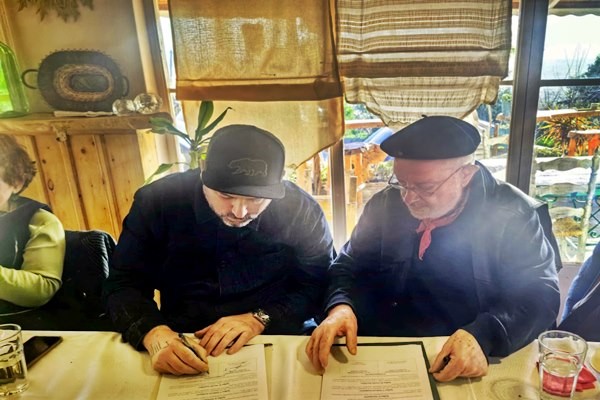
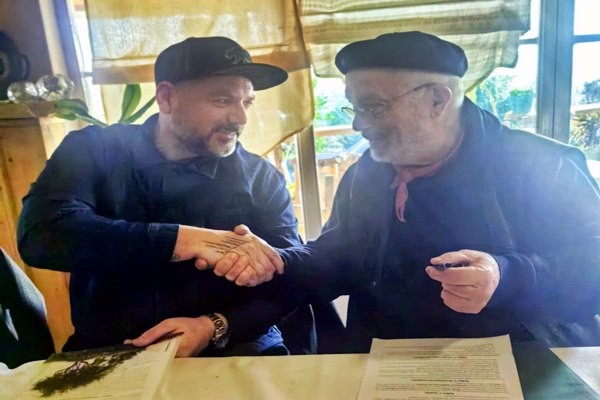
In a move of particular significance for the outward-looking orientation of the local community, Desylla (Messinia, Greece) recently became a meeting point for representatives of international organizations and volunteers from Greece, Italy, and Palestine. The visit took place within the framework of the ANIMA TERRA initiative.
The Framework of Cooperation:
The Cultural Foundation OTRoutes is the coordinating body of the ANIMA TERRA initiative and the certified manager of the internationally recognized cultural route “Routes of the Olive Tree,” acknowledged by UNESCO and the Council of Europe.
The presence of representatives from different Mediterranean countries in Desylla highlighted the shared cultural identity arising from olive cultivation, which functions as a cohesive link for local communities. The formalization of this common path was achieved through the signing of a Memorandum of Cooperation, sealing the relationship between the local group #loveDesylla and the international organization. The memorandum was co-signed by Mr. Marios Grogos, founding member of the #loveDesylla initiative, and Mr. Giorgos Karabatos, Executive Director of the Foundation OTRoutes. This agreement is not merely a formal procedure, but lays the foundations for the design and implementation of new actions that will strengthen culture and support the sustainable future of the region.
Goals and Expectations:
The cooperation aims at three main pillars:
• Cultural Promotion: Showcasing the history and traditions of Desylla to a broader international audience.
• Sustainable Development: Utilizing local heritage in ways that respect the environment and society.
• International Networking: Creating channels of communication with other Mediterranean communities for the exchange of know-how and best practices.
Significance for the Local Community:
For Desylla, its inclusion represents an important opportunity to highlight its own “small but luminous history.” The active participation of people who work, collaborate, and share a common vision demonstrates that regional areas can stand at the heart of international cultural exchanges.